Small Skull: A Designer's Real-World Review
As a designer who has spent years curating assets for both personal projects and client work, I approach every new machine embroidery design with a specific set of questions. Does it translate well from screen to fabric? Is the stitch density balanced? Most importantly, does it add genuine value to a finished product? When I first loaded the Small Skull file onto my machine, I was immediately struck by its potential. This is not just another generic graphic; it is a vibrant, compact piece of art that captures the essence of Day of the Dead aesthetics without overwhelming a project.
First Impressions: Charm in a Compact Format
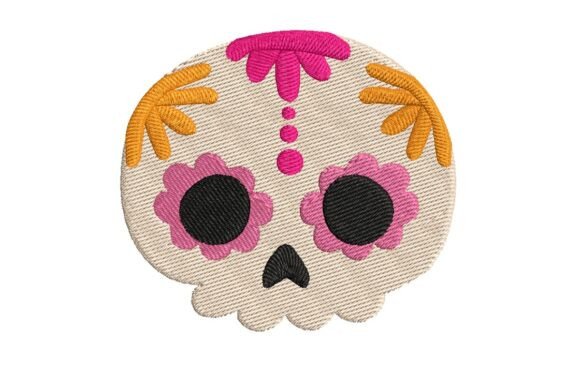
The visual personality of Small Skull is defined by its playful energy. The description promises bright pink, gold, and black accents, and seeing the digitization come to life confirms this. The use of color here is strategic. The pink provides a soft, approachable contrast to the traditional starkness of a skull motif, while the gold accents elevate the design from a simple craft item to something that feels boutique-ready. It strikes a delicate balance between edgy and cute, making it incredibly versatile for various markets.
From a layout perspective, the design is "beautifully tiny," as advertised. This compact nature is a double-edged sword that requires careful handling. For an Etsy seller or a small shop owner, having a high-quality, small-scale asset is often more valuable than a massive 10x10 inch design because it fits into so many more applications. The shape is clean, with clear separation between the floral elements and the calavera features, suggesting that the stitch density has been managed well to prevent puckering on smaller items.
Real-Life Application: The Custom Tote Bag Scenario
To truly evaluate this embroidery file, I need to visualize it in a real-world context. Imagine you are preparing a line of custom tote bags for an upcoming fall market. You want something that stands out but doesn't dominate the canvas. Small Skull is perfect for this. I can see it placed subtly near the bottom corner of a natural cotton tote, acting as a signature detail rather than a billboard.
In this scenario, the tote bag design benefits immensely from the intricate details of the sugar skull. The running stitch outlines likely define the eyes and nose clearly, while the fill stitch creates texture in the floral patterns. Because the design is small, it allows the customer to appreciate the craftsmanship up close. If you were selling these as personalized gifts, perhaps adding a name below the skull, the compact size ensures the text remains legible and the overall composition stays balanced.
I also envision this on a sweatshirt embroidery project. Placing Small Skull on the left chest area of a heavy-weight hoodie would look professional and stylish. Unlike larger designs that might require extensive hooping and risk shifting on stretchy fabric, a small design like this is forgiving. It anchors the garment with a touch of personality without looking childish, appealing to a demographic that loves Halloween themes year-round or simply appreciates bold, colorful art.
Navigating Technical Challenges and Fabric Choices
While the design is promising, practical experience tells us that small, detailed designs require precision. One area where caution is needed is fabric selection. On textured fabrics like denim or heavy canvas, the fine lines of the gold accents might get lost if the thread colors do not have enough contrast against the weave. Similarly, on thin or stretchy fabrics, such as jersey knit for baby clothes, the hoop size and stabilizer choice become critical.
If you plan to use Small Skull for baby embroidery, say on a onesie or a nursery blanket, ensure you are using a tear-away or cut-away stabilizer appropriate for the weight of the fabric. The dense areas of the skull could cause puckering on lightweight knits if the backing is insufficient. Furthermore, when working with dark fabrics, the light pinks and golds will pop beautifully, but you must verify that the underlay stitches in the digital embroidery file are robust enough to cover the dark background completely. A poor underlay can result in a muddy appearance where the black fabric shows through the colored threads.
Another consideration is the application on curved surfaces, such as caps or hats. While the design is small enough to fit on a cap front, the curvature can distort the symmetry of the skull. Always test the design on a scrap piece of similar material before committing to a final product. Check how the satins stitch handles the curve and whether the corners remain sharp. If the design includes tiny lettering or extremely fine details, be aware that these may blur slightly on a curved surface due to the tension of the fabric.
Maximizing Value for Craft Businesses and Makers
For creative entrepreneurs and handmade shop owners, the true value of Small Skull lies in its versatility as a commercial asset. This design can serve as a standalone focal point or as a decorative accent alongside other motifs. Its aesthetic aligns perfectly with current trends in handmade products, where unique, culturally inspired art is highly sought after.
When listing this item in your shop, consider creating a printable mockup that showcases the design on multiple backgrounds—light linen, dark denim, and white cotton. This helps potential buyers visualize the final result and builds trust in your brand. The visual appeal of the finished product directly influences buyer engagement. A well-executed embroidered patch featuring this skull can transform a plain jacket into a statement piece, increasing the perceived value of your inventory.
However, professionalism extends beyond the stitching. As a designer reviewing this for commercial use, I strongly advise checking the licensing terms before selling finished items. Ensure that the license covers commercial embroidery for physical goods. If you are planning to sell the digital embroidery file itself or use it in digital product previews, confirm that redistribution is permitted. Protecting your business and respecting the creator's rights is essential for long-term success.
Practical Designer Notes for Best Results
To get the most out of Small Skull, follow these practical steps:
- Test First: Always run a test stitch on scrap fabric to check for thread breaks, especially in the dense gold areas.
- Stabilize Properly: Use a stabilizer that matches the weight of your fabric to prevent shifting and puckering.
- Check Contrast: Review how the pink and gold threads look against your chosen fabric color. Adjust thread shades if necessary for maximum visibility.
- Verify Hoop Size: Ensure your hoop accommodates the design with enough margin for trimming and handling.
- Inspect Details: Zoom in on the stitched sample to ensure the small details of the calavera are crisp and not blurred.
- Mockup Variations: Test the design in black and white mockups to assess the silhouette before committing to full-color production.
In conclusion, Small Skull is a delightful addition to any designer's library. It offers a fresh take on a classic theme, combining the vibrancy of Day of the Dead with the practicality of a small-scale format. Whether you are creating a holiday gift, stocking a boutique, or decorating a personal project, this design has the potential to elevate your work. With careful attention to fabric, stabilizer, and testing, you can create stunning, professional-grade pieces that customers will love.