Review: Made with Love Heart Embroidery Design
As an experienced embroidery designer who has spent years refining the aesthetics of small boutique collections, I approach every new digital asset with a critical eye. When preparing for a limited sweatshirt drop, the choice of design dictates not just the look of the garment but the perceived value of the entire brand. Recently, I evaluated the Made with Love Heart machine embroidery design for a potential premium apparel collection. The goal was to determine if this playful file could elevate neutral fabrics into statement pieces worthy of a high-end Etsy shop or a local boutique.
First Impressions: Elegance Meets Quirky Charm
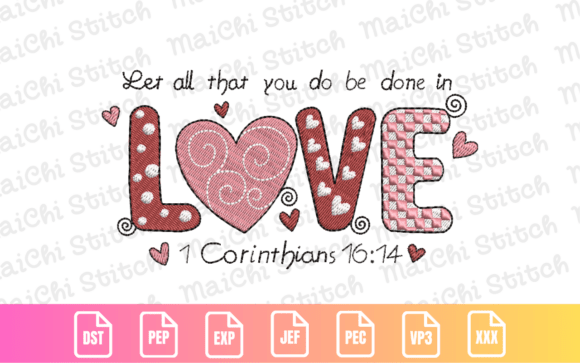
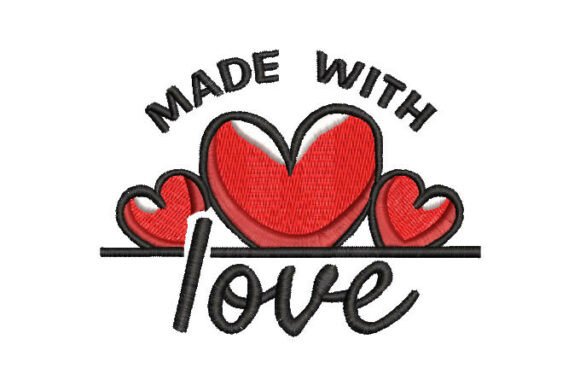
The initial review of the Made with Love Heart file reveals a design that successfully balances sophistication with whimsy. The description promises a "hint of elegance" alongside a "lively, quirky touch," and upon closer inspection of the stitch path, this duality becomes apparent. Unlike many generic heart designs that rely on simple outlines, this pattern incorporates texture and depth. It feels less like a basic Valentine's Day clipart and more like a curated art piece ready for commercial use.
For a small clothing brand aiming to stand out in a saturated market, the mood of the finished product is crucial. This design exudes a feminine yet bold energy. It avoids the pitfalls of looking too childish while retaining enough playfulness to appeal to a wide demographic. The layout suggests a balanced composition that would hold its own on a busy fabric print or stand out starkly against a solid color. As I visualize the final result, the stitching personality feels robust, suggesting it will sit well on heavier materials without losing definition.
Visualizing the Sweatshirt Application
When translating a digital embroidery file into physical custom apparel, fabric interaction is key. I tested how Made with Love Heart would perform on various sweatshirt bases. On neutral tones like heather grey, oatmeal, or charcoal, the design pops with significant visual weight. The intricate details described in the file allow for complex thread colors that create dimension, making the heart appear three-dimensional rather than flat.
Consider the application on oversized hoodies, which remain a staple for modern streetwear boutiques. Placing this hoodie design on the center chest creates a focal point that draws the eye immediately. Alternatively, utilizing the design as a sleeve accent offers a subtle nod to the brand identity without overwhelming the wearer. For back designs, scaling up the motif allows for a bolder statement, perfect for seasonal drops where visibility drives customer engagement.
Color theory plays a massive role here. On dark fabrics, using metallic or bright pastel threads can make the Made with Love Heart design feel luxurious and festive. Conversely, on pastel-colored sweatshirts, tonal stitching—using shades slightly darker or lighter than the fabric—can achieve a sophisticated, minimal aesthetic that appeals to the "quiet luxury" trend currently dominating handmade markets.
Technical Considerations for Commercial Use
While the aesthetic appeal is strong, a professional designer must always evaluate the technical viability before committing to production. Stitch density is a primary concern when working with thick fleece or heavy cotton blends typical of premium sweatshirts. If the density is too high, the fabric may pucker, ruining the drape of the garment. However, based on the "playful" nature of the design, the stitch count appears optimized to maintain fabric flexibility while ensuring durability.
Fabric texture also influences the final outcome. Sweatshirts have a distinct nap and loft that can sometimes obscure fine details. It is essential to ensure that the smallest elements of the Made with Love Heart design remain readable after stitching. A stabilizer choice is non-negotiable here; a cut-away stabilizer is likely required to support the weight of the stitches and prevent distortion during washing. Without proper stabilization, even the most beautiful design can lose its shape after the first laundry cycle.
Hoop placement is another critical factor. For boutique brands, precision is everything. The design should be hooped securely to avoid shifting, especially on curved surfaces like the front of a hoodie. Thread color contrast must be carefully selected to ensure the design does not blend into the background. High-contrast combinations often yield the best results for lifestyle product photography, ensuring the item looks as vibrant in online listings as it does in person.
Enhancing Brand Identity and Product Value
For an Etsy seller or a creative entrepreneur, the right embroidery file can significantly impact buyer trust and brand recognition. Using a unique, high-quality design like Made with Love Heart signals to customers that care has been taken in the creation process. It transforms a standard sweatshirt into a handmade product with a story. This perceived value allows small shops to command higher price points compared to competitors using screen printing or generic transfers.
In the context of a Valentine's Day collection, this design offers versatility beyond the holiday itself. Its timeless appeal means it can be marketed year-round as a symbol of self-love, friendship, or general affection, extending the sales window for your inventory. When creating printable mockups for social media, the clean lines and decorative nature of the design ensure that the images are crisp and engaging, driving higher click-through rates on digital storefronts.
Final Verdict for Boutique Creators
After a thorough evaluation, Made with Love Heart emerges as a strong contender for any small shop product line focused on quality and character. It bridges the gap between casual wear and elevated fashion, offering a versatile option for custom apparel branding. Whether you are producing a limited run of cozy seasonal apparel or expanding your permanent collection, this machine embroidery design provides the necessary flair to capture attention.
However, as with any digital embroidery file, it is vital to check the specific file details before production. Verify the hoop size requirements to ensure they match your equipment, and confirm the stitch count to estimate production time accurately. Always test the design on a scrap piece of the actual fabric you intend to use to assess thread tension and stabilizer needs.
Ultimately, incorporating this design into your workflow can enhance your visual identity and strengthen your connection with customers who appreciate artisanal craftsmanship. By paying attention to the nuances of thread selection, placement, and fabric preparation, you can turn this playful heart into a signature element of your brand, proving that even a simple motif can deliver a powerful message when executed with precision.