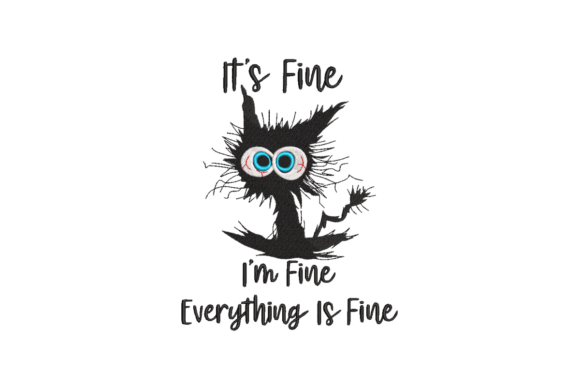
It's Fine I'm Fine: A Craft Fair Review
As an embroidery designer who has spent countless weekends setting up booths at craft fairs and navigating the competitive landscape of handmade markets, I know that a single design can make or break a table display. Today, I am reviewing a specific machine embroidery design titled It's Fine I'm Fine Everything is Fine. While the product category lists this under Religion, the actual vibe of the phrase leans heavily into modern sarcasm, self-deprecating humor, and relatable stress relief. For the savvy Etsy seller or boutique maker, understanding how to pivot this design from a literal religious context to a broader emotional appeal is key to selling out your inventory.
The First Impression: Quirky Flair Meets Relatable Humor
When I first loaded the file for It's Fine I'm Fine Everything is Fine, my immediate reaction was that it captures the current cultural mood perfectly. It feels less like traditional church decor and more like a badge of honor for anyone juggling life's chaos. The description promises a "fun and quirky flair," and in person, that translates to a design that stops shoppers in their tracks. Unlike stiff, formal embroidery often found in the Religion category, this piece offers a conversational hook. It invites the customer to laugh at themselves, which is a powerful driver for impulse buys at a craft fair.
For a handmade product line, this design strikes a balance between bold and approachable. It isn't overly decorative or cluttered; instead, it relies on the strength of the message. This makes it versatile enough to work as a focal point on larger items or a charming accent on smaller goods. If you are planning your booth layout, this design should be front and center because it speaks directly to the viewer's daily experience.
Product Placement: Where Does It Shine?
Not every design works on every surface. When preparing my table for a weekend market, I evaluate where It's Fine I'm Fine Everything is Fine will perform best. Based on the text length and likely stitch flow, here is how I recommend utilizing this embroidery file:
- Tote Bags and Market Bags: This is the sweet spot. A large tote bag provides ample canvas for the full phrase. Customers love carrying a statement bag that signals they are having a rough day but keeping it together. The durability of canvas pairs well with the likely density of the lettering.
- Tea Towels and Aprons: Kitchen linens are perfect for this kind of humor. An apron embroidery featuring this phrase adds a touch of personality to a functional item. Similarly, tea towel embroidery allows the design to be seen repeatedly while cooking, reinforcing the brand connection.
- Embroidered Patches: For those who want to sell digital files or physical patches, this design works exceptionally well. A patch version allows customers to add the sentiment to denim jackets, backpacks, or hats without needing a full garment.
- Caps and Pillows: Be cautious here. On curved surfaces like caps, long lines of text can warp. However, if the design is split or arranged creatively, it can look premium on a pillow cover, offering a cozy yet witty addition to home decor.
Production Realities: Stitch Density and Fabric Texture
Before committing to a batch production run, I always test the stitch density on scrap fabric. Designs with repeated phrases like It's Fine I'm Fine Everything is Fine can sometimes suffer from thread buildup, especially if the font is thick or the spacing is tight. If the letters are too close together, the back of the fabric may become stiff, ruining the drape of a tote bag design or an apron.
Texture is another critical factor. If you plan to embroider this on terry cloth towels or heavy denim, you must use the right stabilizer. Without proper backing, the needle may struggle to penetrate the loops of a towel, leading to puckering that looks unprofessional. Always check the hoop size requirements listed in the file details. If the design requires a large hoop but you are trying to fit it onto a small pouch, you will lose clarity and detail.
Furthermore, consider the thread colors. While black on white is classic, using pastel threads on a cream background might give it a softer, farmhouse aesthetic, whereas bright neon thread on dark fabric could make it feel edgy and modern. The contrast must be high enough to be readable from three feet away—a crucial distance for a busy craft fair booth.
Selling Strategy: From Booth Display to Digital Sales
For the small shop product owner, the visual appeal of the finished product dictates sales velocity. When photographing these items for your online store or creating a printable mockup for social media, ensure the lighting highlights the texture of the stitches. Customers buying a digital embroidery file need to see exactly how the design sits on fabric before they download it.
In a physical booth, group items by color story. Imagine a stack of navy blue aprons with gold stitching next to a pile of natural linen tea towels with sage green thread. This consistency elevates the perceived value of your commercial embroidery products. The phrase It's Fine I'm Fine Everything is Fine acts as a conversation starter. When a customer reads it, they smile, they engage, and they are more likely to ask about the price or other designs you offer.
Practical Designer Notes for Success
To ensure your finished product meets professional standards, follow these steps before launching:
- Test Run: Always embroider a sample on the exact fabric you intend to sell. Check for pulling, skipped stitches, or thread breaks.
- Licensing Check: Verify the commercial license terms of the design assets. Ensure you are allowed to sell the embroidered goods and not just the digital file itself.
- Spacing and Scale: If reducing the design for a cap or small pouch, ensure the lettering remains legible. Tiny details often get lost when scaled down.
- Stabilizer Selection: Match the stabilizer weight to the fabric thickness. Heavyweight tear-away for towels, cut-away for stretchy knits.
- Mockup Creation: Create at least one high-quality photo of the real item for your Etsy listing. Stock photos rarely convey the true quality of your handmade product.
Ultimately, It's Fine I'm Fine Everything is Fine is a strong contender for any maker looking to inject personality into their catalog. By treating it with the respect of a professional embroidery project—testing thoroughly, choosing the right fabrics, and presenting it beautifully—you can turn a simple phrase into a best-selling craft fair product. Whether you are selling physical goods or digital files, the key is to let the design speak to the customer's need for a little humor in their day.