Golf Club Ball Embroidery: A Designer’s Fair Review
As an embroidery designer who has spent countless weekends behind a craft fair booth, I have learned that not every digital file translates into a bestseller. When I first loaded the Golf Club Ball machine embroidery design onto my screen, my immediate reaction was one of practical optimism. This is not just a generic sports icon; it is a targeted asset for a specific, passionate niche. For those of us running small shop products or managing an Etsy seller account, finding designs that resonate with hobbyists is key to driving sales. This review breaks down how this design performs in the real world, from the hoop to the checkout counter.
First Impressions and Visual Appeal
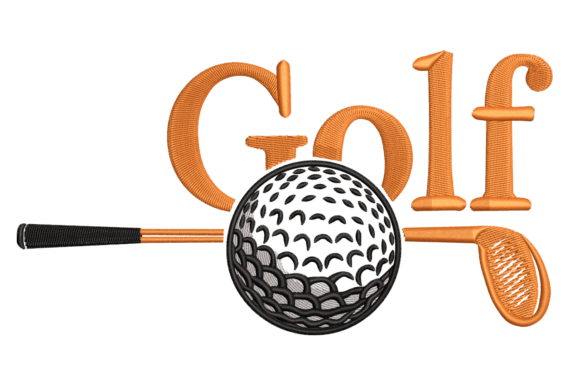
The first thing I look for in a new embroidery file is clarity. Does it read well from three feet away? The Golf Club Ball design strikes a balance between modern minimalism and recognizable sports imagery. It does not feel overly cluttered, which is crucial for maintaining a premium look on handmade products. Whether you are aiming for a rustic aesthetic or a clean, contemporary vibe, this design adapts well. It feels bold enough to be a focal point but refined enough to serve as a subtle accent.
In terms of mood, it leans towards a clean, athletic elegance. It is not cartoonish, which broadens its appeal beyond children’s items to adult golfers who appreciate quality gear. This versatility is vital for a craft fair product because it allows you to target multiple demographics with a single design asset.
Product Versatility and Market Fit
To truly evaluate a design, you must imagine it on various substrates. Here is how Golf Club Ball performs across common handmade items:
- Tote Bag Design: This is perhaps the strongest application. A canvas tote with this embroidery appeals to golfers carrying clubs or casual shoppers alike. The design stands out against natural cotton or heavy-duty canvas, making it a high-visibility craft fair product.
- Apron Embroidery: For the golfer who also loves to grill, an embroidered apron is a fantastic gift item. The design adds a personalized touch that mass-produced items lack, increasing the perceived value of the finished product.
- Tea Towel Embroidery: Kitchen textiles are staples at markets. However, caution is needed here. Ensure the stitch density is appropriate for thinner fabrics to prevent puckering. If the design is too dense, it may weigh down the towel.
- Embroidered Patch: Patches are low-risk, high-reward items. You can batch-produce these quickly. The Golf Club Ball motif works well in a circular or shield shape, making it easy to iron onto jackets, hats, or bags.
- Caps and Headwear: Curved surfaces are tricky. If you plan to embroider directly onto caps, ensure you have the right stabilizer and experience with curved hooping. Alternatively, create a patch and sew it on for a cleaner finish.
Production Practicalities for Small Shops
For embroidery business owners, time is money. A design that is difficult to stitch or prone to errors is a liability. The Golf Club Ball appears to be designed with production efficiency in mind. It likely avoids excessive jump stitches and complex underlay structures that can cause thread breaks. However, as with any digital embroidery file, you must verify the specifics.
When preparing for a weekend craft fair, batch production is essential. This design seems repeatable, meaning you can set up your machine and run multiple units with minimal intervention. This consistency helps maintain brand consistency across your booth display. A cohesive look draws customers in and encourages them to browse longer.
Technical Considerations and Careful Use
Before you commit to a large run, consider these technical factors:
- Stitch Density: Check the density settings. High density on thick fabric like denim is fine, but on lightweight linen, it may cause distortion. Always test on scrap fabric first.
- Thread Colors: Golf is associated with white, green, and navy. Choose thread colors that offer high contrast against your fabric. White thread on white fabric will disappear, while navy on black may lack definition.
- Fabric Texture: Textured towels or fluffy fleece can obscure small details. If the design has fine lines, avoid highly textured materials unless you use a topping stabilizer.
- Hoop Size: Confirm the hoop size required. A design that fits in a 4x4 hoop is more versatile for small items like pouches, while a 5x7 or larger allows for bigger statements on tote bags.
- Stabilizer Selection: Use cut-away stabilizer for stretchy fabrics and tear-away for stable woven materials. The wrong stabilizer can ruin even the best embroidery file.
Marketing and Online Presence
For Etsy sellers and digital sellers, the visual presentation is everything. The Golf Club Ball design photographs well because of its clear lines. When creating a printable mockup or listing images, ensure you show the design on different colored fabrics to demonstrate versatility. Highlight the texture of the stitches in close-up shots to emphasize the handmade quality.
Use keywords like "commercial embroidery," "sports embroidery," and "gift for golfer" in your listings. Explain that this is a digital embroidery file intended for machine use, not a physical patch, to avoid customer confusion. Clear communication reduces returns and builds trust with your buyers.
Final Verdict for Craft Fair Sellers
The Golf Club Ball is a strong contender for your next collection. It offers a blend of aesthetic appeal and production practicality. It is not just a decorative element; it is a conversation starter. At a craft fair, people stop for items that reflect their passions. Golfers are proud of their hobby, and wearing or using items that celebrate it creates an emotional connection.
To maximize success, create at least one real mockup before listing. Compare fabric colors to see which combinations pop. Check the commercial licensing terms provided with the download to ensure you are compliant when selling finished products. If the license allows for commercial use, you can confidently scale your production.
In conclusion, this design fits seamlessly into the Sports and Embroidery categories without feeling generic. It respects the craft by offering clean lines and manageable complexity. For boutique makers and creative entrepreneurs, it represents a low-risk, high-reward addition to your design assets. Test it, tweak your tension, and watch it become a staple in your handmade gift lineup.