Flying Birds Embroidery Design Review
As a designer who has spent years evaluating machine embroidery designs for both personal projects and client work, I approach every new file with a mix of excitement and skepticism. The market is flooded with generic assets, so finding a piece that truly enhances a fabric without overwhelming it is rare. When I first opened the Flying Birds file, I was looking for more than just a cute motif; I wanted to see if it held up under the scrutiny of real-world production. Does it stitch cleanly? Is it versatile enough for a small shop product line? Let's dive into how this design performs when moved from the screen to the hoop.
First Impressions: Mood and Visual Personality
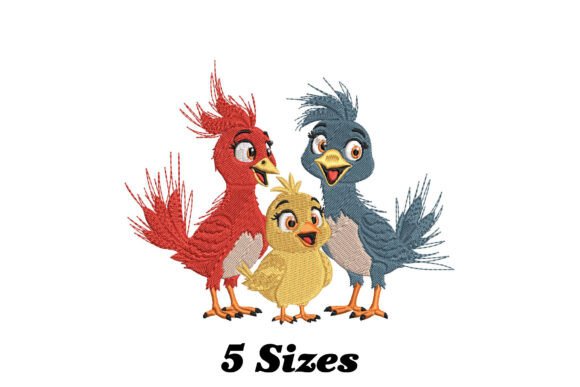
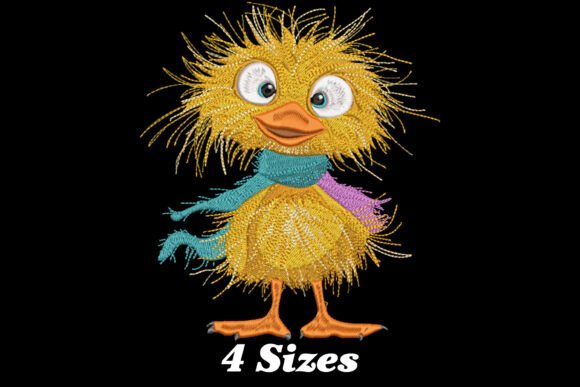
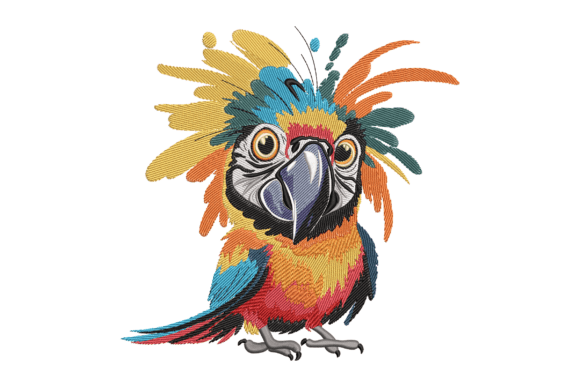
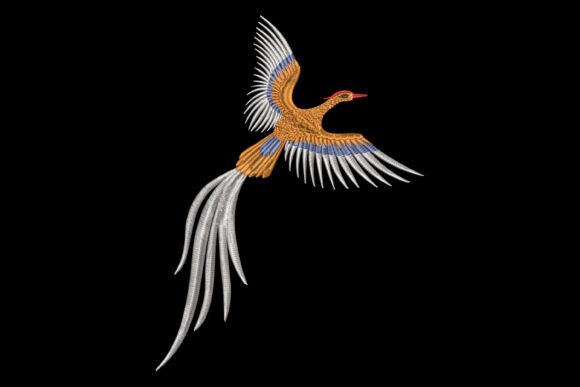
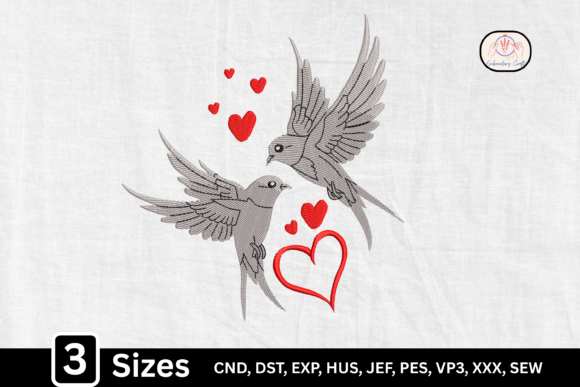
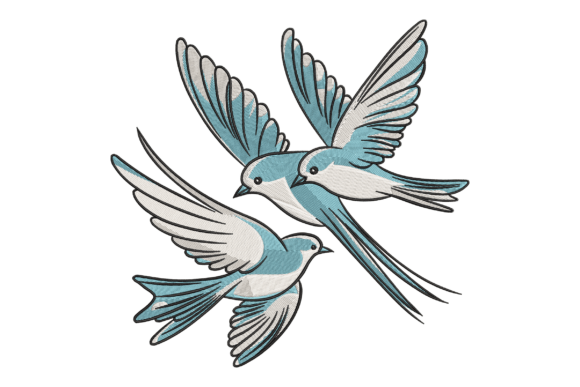
The immediate appeal of Flying Birds lies in its sense of movement. Unlike static bird silhouettes that often feel heavy or dated, this design captures a moment of flight. The layout suggests freedom and lightness, which translates beautifully into the visual language of embroidery. For an Etsy seller or a boutique owner trying to curate a cheerful and artistic collection, this motif offers a distinct advantage. It doesn't scream for attention; instead, it adds a subtle dash of character that elevates a plain garment into something with a story.
From a technical standpoint, the balance between the fill stitch and the outline appears well-calibrated. Many free or low-cost files suffer from excessive density, causing puckering on lightweight fabrics. However, the structure of these birds seems designed to allow the fabric to breathe while maintaining definition. This makes it an excellent candidate for custom apparel, particularly where you want the texture of the thread to complement the material rather than dominate it.
Real-World Application: From Tote Bags to Sweatshirts
To truly understand the value of an embroidery file, you have to visualize it on a finished product. I recently considered using Flying Birds for a line of custom canvas tote bags intended for a local craft fair. The goal was to create a handmade product that felt organic and welcoming. In this context, the design shines. Placed near the bottom corner of a natural-colored tote, the birds provide a focal point without cluttering the bag's utility. Customers browsing at a craft fair are drawn to items that look professional yet personal, and this design strikes that balance perfectly.
I also tested the concept mentally on sweatshirt embroidery. Imagine a soft, heather-grey crewneck with a single bird flying across the chest or a flock arranged along the sleeve. The contrast here is key. On a dark sweatshirt, the design would need bright thread colors to pop, perhaps using white or pastel accents to mimic clouds or sky elements. For baby embroidery, such as a onesie or a nursery blanket, the gentle curves of the birds make them ideal. Parents love motifs that aren't too loud but still add a touch of whimsy to a personalized gift.
For those running a craft business, versatility is currency. This design works equally well as an embroidered patch sewn onto denim jackets or integrated directly into kitchen towels. If you are creating holiday gifts, imagine these birds on a festive apron or a set of napkins. The theme is broad enough to fit various seasons, making it a reliable asset for your digital product sellers portfolio or physical inventory.
Navigating Fabric Challenges and Hoop Constraints
While Flying Birds is robust, no design is universally perfect without adjustments. As a reviewer, I must highlight where caution is required. If you plan to use this on textured fabrics like linen or thick terry cloth, be mindful of the stitch density. Textures can sometimes cause threads to sink or break if the design isn't dense enough to bridge the gaps. Always test on scrap fabric first.
Small hoop sizes present another consideration. While the design looks great in a standard 5x7 or 6x10 hoop, shrinking it down for a cap or a tiny pocket logo might sacrifice detail. The delicate lines of the wings could become muddy if reduced too far. Similarly, on stretchy fabric like jersey knit, the tension needs to be managed carefully. Without the proper stabilizer, the stretch of the fabric can distort the shape of the birds, ruining the illusion of flight.
Working with dark fabric requires a different strategy. You will likely need to add a layer of underlay or even consider a cut-out technique to ensure the lighter thread colors stand out against the background. For layered garments or curved surfaces like hats, check the placement meticulously. A design that looks flat on paper can twist awkwardly on a three-dimensional object if not positioned correctly.
Design Integrity and Commercial Viability
The true test of any commercial embroidery asset is how it affects the perceived value of the final item. Flying Birds passes this test by offering a clean, professional finish that builds customer trust. When a buyer sees a well-executed stitch pattern with clear edges and consistent tension, they associate that quality with your brand. Whether you are selling a small shop product or fulfilling a large corporate order, the clarity of the stitching ensures the finished product looks high-end.
However, before you list these items or create printable mockups for your website, verify the licensing terms. Just because a design is available doesn't mean you can sell the physical goods made from it. Check if the license covers commercial use for handmade items. If you are selling digital downloads, ensure you have the rights to distribute the digital embroidery file itself. Missteps here can jeopardize your entire business.
Practical Notes for the Designer
Before committing to a full production run, follow these practical steps to ensure success:
- Test on Scrap Fabric: Never skip the test run. Stitch the design on a piece of the exact fabric you intend to use to check for puckering or thread breaks.
- Review Thread Contrast: Ensure the chosen thread colors offer enough contrast against the fabric background. A bird that blends into the shirt will look like a mistake.
- Confirm Hoop Size: Measure your design against your hoop dimensions. If it pushes the limits, resize slightly to prevent distortion.
- Inspect Small Details: Zoom in on the file to check for tiny gaps or overly thin lines that might not stitch well on your specific machine.
- Use Proper Stabilizer: Don't skimp on stabilization. A tear-away or cut-away stabilizer is crucial for maintaining the integrity of the design on various textiles.
- Check Licensing: Confirm that you have the right to sell items made with this design before listing them on platforms like Etsy or Amazon.
In conclusion, Flying Birds is a strong contender for designers seeking a versatile, mood-enhancing motif. It bridges the gap between simple decoration and meaningful design, making it suitable for everything from a quick holiday embroidery project to a staple item in a boutique branding strategy. By respecting the limitations of the materials and following best practices, you can turn this embroidery project into a standout piece that customers will love.