Billy Goat: A Designer's Review for Boutique Sweatshirts
As an embroidery designer who has spent years curating collections for small clothing brands and handmade businesses, I approach every new machine embroidery design with a critical eye. When I first loaded the Billy Goat file into my digitizing software to test it for an upcoming premium sweatshirt drop, I wasn't just looking for a cute image; I was evaluating its potential as a commercial asset. For boutique brands aiming to elevate their custom apparel game, the difference between a generic graphic and a high-end embroidered piece often lies in the details of the design itself.
First Impressions: Mood and Artistic Character
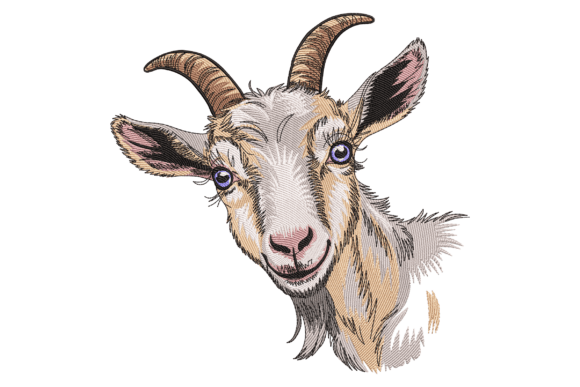
The moment the embroidery file rendered on screen, the personality of the Billy Goat design became apparent. It does not feel like a standard clip-art vector converted hastily into stitches. Instead, it carries a cheerful and artistic touch that aligns perfectly with current trends in rustic and playful aesthetics. The layout suggests a balance between boldness and detail, making it versatile enough to work across various fabric textures without losing its charm. For a boutique brand looking to inject character into a neutral collection, this design offers exactly that dash of character mentioned in its description.
Visually, the design leans towards a decorative yet minimal style. It avoids excessive saturation that can sometimes make animal designs look cluttered on heavy fabrics. This restraint is crucial for sweatshirt embroidery, where too much thread density can stiffen the fabric or cause puckering. The lines appear clean, suggesting that the stitch density is optimized for both visibility and durability. As I reviewed the design assets, I noted how well the curves flow, which is essential for maintaining the integrity of the goat's features when stitched onto the stretchy knit of a hoodie.
Evaluating Fabric Compatibility and Placement
When planning a limited drop for a small online shop, placement is everything. I immediately began visualizing how Billy Goat would translate to different garment styles. On a classic heather grey crewneck sweatshirt, the design would likely pop beautifully, especially if paired with contrasting thread colors. The natural tones of a goat—whites, greys, and blacks—lend themselves well to monochromatic branding, but the "cheerful" aspect of the design implies it could also be rendered in pastels for a spring collection.
For oversized hoodies, which are currently dominating the market, placing the Billy Goat motif on the upper chest creates a subtle, premium statement. It feels less like a costume and more like a signature logo. Alternatively, moving the design to the back center allows for a larger hoop size, potentially revealing more intricate details within the Farm Animals category that might be lost at smaller scales. I also considered using it as a sleeve accent. On a dark navy or charcoal sweatshirt, a white or cream-colored Billy Goat would offer striking contrast, enhancing the visual recognition of the brand.
Considerations for Pastel and Seasonal Apparel
One of the strengths of this digital embroidery file is its adaptability to seasonal themes. Imagine this design on a cozy, oatmeal-colored fleece pullover for autumn. The rustic vibe fits seamlessly with fall fashion trends. Conversely, on a soft pastel pink or mint green sweatshirt, the design takes on a feminine, whimsical quality, perfect for a younger demographic or a lifestyle-focused Etsy seller. The key here is ensuring that the thread colors chosen do not get lost against light backgrounds. A slight outline stitch in a darker shade could provide the necessary definition while maintaining the soft aesthetic.
Technical Execution: Stabilizers and Stitch Quality
From a technical standpoint, executing Billy Goat on heavy sweatshirt material requires careful preparation. Sweatshirts have a thick pile and significant stretch, which can distort an embroidery design if not properly stabilized. I would recommend using a cutaway stabilizer rather than a tear-away one to ensure long-term washing durability. The stabilizer must support the weight of the stitches without adding bulk that makes the finished product uncomfortable.
Regarding hoop size, it is vital to check the specific dimensions of the file before production. If the design is intended for a chest pocket area, it needs to fit comfortably within a 4x4 or 5x7 hoop without distorting the fabric tension. Over-hooping can leave permanent marks on the front of a premium sweatshirt, ruining the professional look. Furthermore, the stitch density must be monitored. While the design looks detailed on screen, dense areas on a thick knit can cause the fabric to pucker. If the file allows, slightly reducing the density in background fill areas might improve the drape of the final garment.
Commercial Viability and Brand Identity
For small shop products and handmade business owners, the choice of design directly impacts buyer trust and perceived value. A well-executed Billy Goat embroidery transforms a basic sweatshirt into a collectible item. It signals quality craftsmanship and attention to detail, attributes that customers seek out when purchasing from independent creators. Unlike printed graphics that may crack or fade over time, high-quality commercial embroidery adds texture and longevity, justifying a higher price point.
This design also serves as a powerful tool for brand identity. In a crowded marketplace, having a unique mascot or character helps a boutique brand stand out. The playful nature of the goat encourages customer engagement and shareability on social media. When creating printable mockup previews for Etsy listings, the three-dimensional texture of the embroidery adds depth to the images, making the product look more tangible and desirable. Customers can almost feel the raised stitches through the screen, which significantly boosts conversion rates.
Final Verdict for Designers and Creators
In conclusion, the Billy Goat design presents a compelling opportunity for those looking to enhance their fabrics with a trendy and artistic element. It strikes a rare balance between being cute and commercially viable. Whether you are producing a small batch of custom hoodies or expanding your catalog of Embroidery files for digital sale, this design holds up well under scrutiny. However, as always, remember to verify the exact stitch count and recommended hoop size before starting production to ensure the best results.
For the creative entrepreneur ready to launch a new collection, this design offers a versatile foundation. It works equally well on towels for home decor or as a standout feature on hoodie designs. By paying attention to fabric texture, stabilizer choice, and color contrast, you can turn this simple concept into a premium finished product that resonates with your audience. The Billy Goat is more than just a pattern; it is a statement of character that can define the mood of your entire brand season.